Wednesday, February 15, 2017

Sometimes Starting Isn't Glamorous

Sometimes you start in the middle of dull winter, with the rind of old snow holding down every edge. Sometimes you don't really have a plan, just a need. Sometimes you start from a jittery kind of internal pressure that's hard to articulate, but sets your feet moving. Sometimes the start of something, maybe even something important, arrives at a walking pace.

Sometimes you start an adventure from someplace like the Quad Cities; which sounds like a place in a superhero origin story, but is in fact a snug little lichen hugging the crevasses of an intersection of historic travel. It's got that river town once-was grandeur in it's neighborhoods, and that unselfconscious cozy Midwest practicality. A strangely large number of chiropractic schools and excellent antique shops. Exactly one perfect used bookstore. In summertime it's probably got a relaxed bustle to it's multiplied Main Streets, but in winter it's mostly made of turned-up collars.


The small city patterns of the Quad Cities look very familiar, but it is strung on a lattice of movement. Mighty river branching, major and minor highways crossing -- actually, on reflection, it's a perfect launch pad.

Tuesday, September 20, 2016

Archive: Common Sense Sun Protection

In addition to teaching workshops and writing pamphlets at Community Pharmacy, I occasionally had the opportunity to publish articles about conscious consumerism and self health care in their bi-monthly newsletter, Infused. This article is updated from one published in May 2012.

Sunshine is wonderful! Every year, we see how sunshine coaxes free the strong grip of Wisconsin winters, urging leaves and flowers to open into the softness of spring. It keeps right shining, heating our lakes and streets into steamy summers. We know that sunshine brings us health, too: converting the skin’s cholesterol into Vitamin D, a powerful antioxidant; synchronizing the body’s internal clock for optimum altertness and sleep; lifting the mood from depressed states like Seasonal Affective Disorder. And, even without looking at the science behind the benefits of sunshine, we know that spending time outdoors in warm weather, bathing in the warmth and light from the sun feels good.

Idyllic as sunshine can be, it is also this planet's greatest energy and radiation source, and it's possible to overexpose ourselves. Depleted ozone and air pollution create a greater risk for damaging sun exposure, and skin cancer rates are on the rise around the world. That’s no reason to avoid enjoying beautiful weather, but common sense places sun protection as another valid facet of self health care.

THE SUN & YOU
The Sun is a star at the center of our solar system. It bathes our planet in a spectrum of electromagnetic radiation, including Visible light (sunshine), Infrared rays (accounting for up to 50% of our planet’s heat) and Ultraviolet rays (UVR.) This radiation is vital to life on our planet, utilized in some way by almost every organism.
  • Ultraviolet A (UVA) rays (used in tanning beds) trigger melanin production in the skin without burning. However, studies show that UVA rays deeply penetrate the skin, and can ultimately cause long-term skin damage. UVA rays may also enhance UVB ray cancer-causing potential and suppress the immune system. UVA rays pass through cloud cover and most glass.
  • Ultraviolet B (UVB) rays are the burning and tanning rays, which are generally associated with skin cancer. UVB is filtered out by most glass used in building and car windows.
  • Ultraviolet C (UVC) rays are germicidal, and are largely filtered out by the ozone layer of the atmosphere; relatively little reaches the planet's surface.
There are many strategies for protecting ourselves from overexposure to the sun's UV. You may choose to avoid sunlight, especially at peak hours of intensity (usually 10am-2pm.) You may wear clothes that fully cover your skin, and even seek out specifically UV-blocking materials. Many people choose to enjoy sun exposure in moderation, and use a sunscreen lotion to protect their skin from absorbing too much UV. The huge range of sunscreen products can make this a daunting choice. Worse, the sunscreen industry has not done an excellent job explaining how to use their products most effectively. Investigating the labels and ingredients of sunscreens demystifies this overcomplicated products, and improves our ability to look after our wellbeing.

SPF IS ONLY ABOUT SUNBURN
A sunscreen lotion’s SPF rating only indicates how long the product can protect your skin from UVB, the “sunburn rays.” Most people will see their skin sunburned if they stay out in the sunshine, unprotected, for about 15 minutes (though the skin may not feel sunburned for 2-4 hours, or look burned for up to 24). Multiply that time – the time it takes to get a “sunburning dose” of UV radiation – by your sunscreen’s SPF to get an idea of how long that product can protect you from sunburn. For instance, an SPF 15 sunscreen will give you (if you use it correctly – more on that below) 15 x 15 minutes = 3.75 hours (225 minutes) of safe play time to in the sunshine.

Sunscreens with extremely high SPF ratings have recently appeared on the market, creating some confusion about the efficacy of common SPF numbers. While it’s possible that these sunscreens could provide protection for a greater length of time if properly applied, you would be hard-pressed to find the 23.5 hours of sunshine for the protection implied in a SPF 95+ sunscreen! Higher SPF ratings do technically mean greater protection (SPF 15 sunscreens usually test at 93-95% protection, while SPF 30 offer 96-97%), but the new trend of extremely high SPFs is more about marketing than it is about offering a higher quality product. Most dermatologists advise people to wear SPF 25-30 for daily protection.

While UVA doesn't cause sunburns, we know it does damage skin, contributing to skin cancer, oxidation, and wrinkling. The FDA recently revised its expectations of sunscreen labeling to include UVA protection, in addition to the familiar SPF rating. Sunscreens with the phrase 'Broad Spectrum' on their labels meet the FDA's standards for UVA protection.

USE PLENTY OF SUNSCREEN
Sunscreen can only protect the skin it is covering; for your entire body to be protected, your entire body must be covered with sunscreen. In order to offer optimal protection, a sunscreen must be applied liberally, and reapplied often in order to maintain its protective value. For most of us, this means using a lot more sunscreen than we are used to! Industry studies have shown that, for anyone wearing swim trunks or bikini swimsuits, at least 3 Tablespoons (1.5oz.) should be used per application (1 teaspoon of that should be applied to the face and neck)

REAPPLY OFTEN
Lotions don’t last forever. Once applied to the skin, lotions are generally absorbed, worn or washed off, or evaporate in about two hours. This includes sunscreen lotions. Sunscreens also need to be applied well in advance of sun exposure. For optimal protection, apply sunscreen around 30 minutes before you leave the house. This gives the active ingredients a chance to bind to your skin and establish a protective layer. To maintain the coating of sunscreen necessary to protect the skin, reapply (with another 1.5 ounces!) every 90 minutes. If you are swimming or sweating heavily, you’ll want to reapply more often. Yes, this means you will use up an entire tube of SPF 15 when you go to the beach for the afternoon! Using enough sunscreen in each reapplication is the only way to maintain the full promised protection of your sunscreen.

CHOOSE YOUR BATTLES
Once you know a bit about the ways sunscreens work, when to use them, and how to make them work most effectively; you get to choose how sunscreening products can best serve you. Do you want to use sunscreen everyday, or just when you are going out for an afternoon in the sunshine? You also get to make decisions about active sunscreen ingredients and lotion base ingredients. It can seem like a complicated choice. Identifying your personal priorities and letting them guide your product choices is a skillful way of becoming a conscious consumer.

ACTIVE INGREDIENTS
Sunscreens are basically body lotions which contain key ingredients that can either absorb or deflect UV radiation (UVR) in an effort to protect your skin from sun exposure. The most common conventional active ingredients are synthetic, or chemical, compounds which absorb UVR. These have recently been called into question by independent studies. Many chemical sunscreen active ingredients which are now considered photocarcinogens – substances that ironically break down on exposure to sunlight, damaging DNA in the process. Of particular worry are the -benzone and PABA families. The safest chemical active ingredients include the -cinnamate family and ecamsule, which cannot significantly penetrate the skin.
  • Avobenzone – UV absorber, May degrade when significantly exposed to light, Suspected photocarcinogen (has a destructive effect on DNA when exposed to light)
  • Oxybenzone & Dioxybenzone – UV absorber, Suspected photocarcinogic
  • PABA – UV absorber, Increases the formation of a particular DNA defect in human cells, thus increasing the risk of skin cancer
  • Padimate-O – UV absorber, PABA-derivative, suspected photocarcinogen
Mineral, or physical, sunscreen ingredients – which deflect UVR away from the skin – are inherently broad-spectrum protectors, are extremely stable, and come with a minimal risk of causing skin irritations (as they cannot generally penetrate the skin). In the past, mineral sunscreens were notorious for their visible whitening effect when applied to the skin, but current formulas use finely micronized minerals (very small particles), which greatly reduces the products’ opacity as it sets into the skin; these sunscreens should become invisible 10-30 minutes after application.

All mineral content in skin care formulas is technically “micronized” (another word for powdered.) Recent concern for safety of extremely fine particles (“nanoparticles”) has to do with minerals powdered to such a degree they can actually penetrate the skin. Particles smaller than 70 nanometers can be absorbed by lung aveoli if inhaled (more an issue in cosmetic powders than sunscreen lotions. Particled micronized to smaller than 50 nanometer can be absorbed into cells. Once absorbed, studies show these nanominerals may act as carcinogens in the body.

SUNSCREEN LOTION BASE
Active ingredients may make the protection, but the majority of our experience of a sunscreen is in the lotion we spread on our skin several times a day. Sunscreen lotions, like body lotions, come in many different densities, scents and ingredients profiles. Some are thick to withstand sweating, some set to a matte finish to improve comfort in warm weather. They come in a range of fragrances; from floral to tropical fruit to deliberately unscented. If you are concerned with skin allergies or chemical sensitivities, you can find sunscreens without synthetic filler ingredients or preservatives. Read labels, try testers, ask the opinions of your friendly neighborhood body care mavens! Choosing a sunscreen with a lotion base you love is key to regular sunscreen use.

Biodegradable sunscreen products became an important focus of the sunscreen industry as environmental organizations identified common sunscreen ingredients to be a major cause of recent coral reef and aquatic ecosystem degradation. To avoid contributing to this type of pollution, choose sunscreens made without synthetic or petroleum ingredients – particularly preservatives such as -parabens, camphor ingredients, or active ingredients in the -cinnamate and -benzone families.

GOOD SENSE
Spending time outdoors is good for the body, mind and heart. Using sunscreen is just one way to keep ourselves safe and healthy over the summer season. We can also support our sun-worshipping hours by staying well hydrated and drinking water every day. Well-hydrated cells are more resistant to damage. Eat the summer's harvest of antioxidant-rich fresh veggies and fruits, especially those containing high levels of lycopene like tomatoes, kale and spinach. These can help repair cellular damage from radiation and may protect the skin from burning easily. Eating omega 3-rich foods like wild-caught ocean fish reduces inflammation in the body, and may help the skin heal from sunburn more quickly.

Navigating the sunscreen industry is complicated by marketing misinformation and frequently evolving research results. Common sense, critical thinking and attentive label reading are the hallmarks of conscious consumers. This summer, the big themes for safety in the sunshine to remember are: liberal use of sunscreen, regular reapplication, and keeping an eye on the active ingredients we choose. And don’t forget the picnic blanket!  

Monday, September 19, 2016

Archive: Henna & Mehndi

For many years I wrote the informational pamphlets at Community Pharmacy. I loved creating these tiny tri-fold tracts about self-care strategies and accessible herbalism. This text is modified from two of those pamphlets, originally self-published for CP's shelves in 2003 and 2011.

THE NATURE OF HENNA
Henna (Lawsonia inermis) is a flowering shrub originally found in Northern Africa, Asia, and Australia, where it is traditionally used for its anti-inflammatory and dye properties. Fresh henna leaves have cooling antiseptic qualities and are used in poultices to treat injury and inflammation. Henna leaves are also valued for their lawsone pigment content. Dried leaves are powdered and mixed into a paste which is applied to hair, or skin in intricate patterns on the palms of the hands and soles of the feet for cosmetic and ceremonial decoration (known as mehndi.)

Henna’s lawsone pigment binds to the keratin in hair and skin cells, leaving a red-brown stain. On your skin, mehndi designs last 3-6 weeks. On your hair, henna permanently dyes the keratin in hair strands, but may lose intensity and the protein shine after 3-12 weeks. Henna is a very forgiving dye, adding color and shine to your hair (it cannot lighten hair color) without damage. Henna is nontoxic and unlikely to cause allergic reactions. Since the pigments in the henna plant can only leave a red-brown stain, other ingredients are often added to henna hair dyes (even truly natural ones) to achieve lighter or darker tones. In dried henna products, henna powder is often mixed with other herbs (for example indigo for darker colors, cassia for lighter) to create a range of natural hair dyes. These blended herb powder dyes are also non-toxic and applied in the same manner as henna.

HOW TO APPLY HENNA TO HAIR
Begin with damp hair (no need to wash). Apply petroleum jelly or a similarly protective salve around your hairline and ears to avoid unintentional dyeing. Since henna can easily dye cloth, floors, and skin, wear latex/vinyl gloves to prevent extra staining. Work in small sections, spreading the henna paste evenly from the roots to the ends. Work the paste onto your hair thoroughly, pile or twist atop your head, and cover with any leftover henna at the end. Cover your hair with plastic wrap or a plastic bag, and wrap in a towel or cover with a knit cap to keep the henna warm. (Keep your head warm extra warm with a heating pad to intensify the dye.) Leave the henna paste on for 30 minutes (for gray or light hair) to 2 hours (for dark hair) to 8 hours or overnight (for very strong color). Rinse your head thoroughly with warm water, and let air dry. For best results, do not shampoo for 24 hours.

HOW MUCH HENNA TO USE
  • EAR-LENGTH HAIR: 2-3 oz. henna
  • SHOULDER-LENGTH HAIR: 4-5 oz. henna
  • LONGER: Add 2 oz. henna for every 4 inches of hair

TIPS: The color of hennaed hair will change and mellow during the first few days, don’t worry if at first it seems brassy! It is always wise to do a patch test on a few strands of hair (especially if you have fair or gray hair) or on a small patch of skin for mehndi. If you have a commercial chemical dye or a perm in your hair, consider waiting at least three months before using henna; the henna may react unpredictably and cause inconsistent or unexpected coloring.

WATER AND HEAT METHOD (from RosemaryGladstar)
In a glass or ceramic bowl, using nonmetal utensils, mix henna powder with boiling water to make a paste the consistency of pancake batter. Let cool for ~20 minutes while the paste sets up and thickens to the consistency of thick yogurt. Apply the henna paste while it is still very warn. For extra conditioning use herbal infusions instead of water to mix your henna:
  • BLONDE: calendula, chamomile, lemon peel
  • RED: hibiscus, calendula, cinnamon
  • BRUNETTE: clove, lavender, rosemary, sage

ACIDIC LIQUID METHOD (from CatherineCartwright-Jones)
The day before you want to dye your hair, mix the henna with enough lemon juice (bottled works as well as fresh) or red wine to make a paste the consistency of oatmeal. Cover with plastic and let sit in a warm room (70’) overnight. In the morning, stir in more lemon juice or wine to make the paste the consistency of thick yogurt. Apply the paste while cool.

TIPS: For bolder color, add essential oils (2-5 drops per ounce of henna, mixed into the paste before applying) that will act as a mordant (dye-absorption aid) and nourish your hair and scalp: rosemary, cedar, cypress, eucalyptus, or tea tree.

HOW TO DYE SKIN WITH HENNA
MEHNDI PASTE RECIPE:
  • 1 oz. mehndi-quality henna
  • 2 cups strong DYE TEA (see below)
  • 1 teaspoon tea tree essential oil

GLAZE RECIPE (PER HAND/FOOT):
  • 1 lemon’s fresh juice
  • 2 tablespoons of sugar
  • 2 garlic cloves (pressed)

ALSO NEEDED:
  • 100% cotton balls (unrolled) or gauze
  • jacquard bottles or cake decorating tube with a tiny aperture tip
  • olive oil

Begin with high-quality (“body quality”) all-henna powder (in most commercially available henna brands, all-henna powders will be the most basic “red” shade.) Most henna sold in stores is “hair quality” and will need to be thoroughly sifted (through a gold mesh coffee filter or yogurt strainer) before using to make a finely textured mehndi paste.

A day in advance, brew your DYE TEA. Into 4 cups of water, add 2 tablespoons loose black tea. Boil down this mixture until 2 cups remain. Let steep overnight. In the morning, add the juice of one lemon, strain thoroughly and reheat but do not boil.

Make the MEHNDI PASTE by adding 1 teaspoon tea tree essential oil to the sifted henna powder. Mix in enough hot DYE TEA to make a paste the consistency of cake icing. Make the MEHNDI PASTE and GLAZE fresh the day they are used. MEHNDI PASTE can be applied by squeezing from plastic cones or jacquard bottles fitted with fine metal tips. As your mehndi progresses, keep it moist by sponging the GLAZE onto the completed portions with a cotton ball. When your design is complete, wrap it carefully in unrolled cotton balls or gauze, then in plastic wrap and a warm sock or mitten, and leave on overnight. In the morning, scrape off the dried paste with a butter knife. Moisturize your skin with olive oil. For best results, do not wash your hands with soap for 12 hours.

TIPS: A full hand or foot mehndi design may take over an hour to complete, so make sure you are in a comfortable place and position! Heat activates the henna dye as well as acidity, so apply your mehndi in a warm room for the deepest stain.

A NOTE ABOUT “BLACK HENNA” & SYNTHETIC DYES
Henna and mehndi go through waves of popularity in American consumer culture. Conventional hair dye manufacturers have started including henna in their liquid dye lines, and “henna tattoo” booths have been springing up street fairs, and tourist sites which sport body dyes in black, blue, green, and purple. If you are looking for a truly natural hair dye skin decoration, be sure to read the ingredients label carefully for synthetic ingredients before buying a pre-made “henna” dye. The two issues to consider critically are the specific colors of lawsone pigment, and the impermanence of plant dyes.

In commercial pre-made hair and skin dyes, even if the product packaging references henna, the colorant is almost always a synthetic dye ingredient. One particularly worrisome common synthetic dye is p-Phenylenediamine (PPD), a petrochemical that leaves a deep black stain on skin and hair. PPD is readily absorbed into the bloodstream, and can damage the liver and kidneys. Exposure to PPD can lead to cancer of these organs. PPD can also cause severe skin irritation and allergic reaction, resulting in chemical burns and scarring.

Like all truly natural body and hair care treatments, henna is meant to be used fresh, not kept on a shelf for months. Once activated by liquid, henna lawsone maintains its dye potency for only a few days, guaranteeing that liquid products rely on other/synthetic colorants. Beware buying pre-mixed henna paste unless you know it is freshly made; imported and sealed paste tubes are sure to contain chemical dyes. (Freshly mixed henna paste for hair dye and mehndi can be frozen, however, and will still give a good stain if used within 6 months.)

Most salons or fair booths offering henna hair dye or mehndi are staffed by skilled henna artists. But keep yourself safe: If the decoration or dye promised is any other color than red-brown, if it takes just an hour to stain or lasts only a week; the main dye ingredient is NOT henna! Before receiving a mehndi design or henna treatment, ask artists about the henna they use. Good henna artists will likely be very willing to talk about their ingredients, their designs and techniques, and how they learned the art of henna!

Sunday, September 18, 2016

Archive: I Love Love ,,, and Crafts!

While many of my workshops at Community Pharmacy were oriented towards holiday gift-making, I also taught about DIY body care, women's health, chemical sensitivities, and aromatic herbalism. Here is an article in the spirit of those workshops, which was originally published in CP's newsletter, Infused, in Feb. 2010.

Valentine’s Day is my second-favorite holiday, a fact that most of my friends find eye-rollingly silly. Even though it may have originated as a greeting-card marketing scheme, Valentine’s has become the one day every year when we are all encouraged to think about love, and sensory pleasure. Think about it: an entire holiday for contemplating the infinite variety of loving expression in our lives. Whether you are happily relating or happily single, emotional wellbeing and sensuality are a part of a healthy life.

If our brains are our largest erogenous zones, then intentions are our strongest aphrodisiac. When we take the time to infuse oil with fragrant herbs, or flavor a honey with delicious spices, we spend time attending to our wellbeing. This attention, and time, helps us not only to slow down and focus on the important things in our lives, but also to create a durable niche in our lives for those important things. And just as there are many healthy ways to express emotions and explore sensuality, there are many delightful and daring delicacies for all your senses.

Herbs traditionally used in aphrodisiac formulas are gentle and effective, offering subtle fragrances, delicate flavors and unique medicinal nourishment. These herbs may calm the nervous system, stimulate the circulatory system and tone the adrenal system; each in their own ways soothing or exciting the body so it can more easily find pleasure. Getting to know these herbs, and the ways they benefit your individual physiology, is another exploration in sensuality.

Relaxing herbal aphrodisiacs calm the mind, lift the mood and alleviate any tension or anxiety which may be interfering with libido: Catnip, Fennel, Jasmine, Lemon Balm, Oatstraw, Rose, Vanilla

Flirting Tisanea fragrant, floral and feisty hot drink

  • 1/2 C rose petals
  • 1/4 C damiana
  • 1/4 C catnip
  • honey to taste
    Steep 1 tablespoon tisane blend in 1 cup boiling water, covered, for 10-20 minutes, and strain before enjoying.

Pillow Talk Infused Body Oil - a sweet and fresh skin oil

  • 2 C almond oil
  • 1 C catnip leaves
  • 1 C damiana leaves

    Combine herbs in a quart jar and cover with oil. Place jar in a pan of simmering water and heat in this double boiler for 2-3 hours. Remove from heat, strain and discard herbs. Store in dark glass and use for moisturizing, massage or as a base for salve and lip balm.

Stimulating herbal aphrodisiacs increase circulation throughout the body and raise energy levels and alertness. While strong stimulants (horny goat weed, yohimbe) should only be used occasionally and on a short term basis, gentle stimulants may be used on a regular basis: black pepper, cardamom, cinnamon, cocoa, coffee, damiana, ginger, maca, ylang-ylang

Sun’s Spices Honey - a warming, stimulating sweet treat

  • 1 C raw honey
  • ½ T powdered ginseng root
  • 1/2 T powdered ginger root
  • 1 T powdered maca root
  • 1 t powdered cinnamon bark
  • 1 t powdered cardamom seeds
    Combine all ingredients in a tempered bowl placed in a pan of simmering water. Stir constantly, till honey melts and the herb powder is incorporated, then heat for another 30 minutes. Remove honey from heat and transfer to a clean glass jar with a tight lid. Allow the honey to further infuse in a sunny spot for 2 weeks before enjoying. Drizzle 1 teaspoon into your favorite tea, onto fruit salads, or a friend!

Spice Garden Aromatherapy Body Oil - floral with a kick

  • 1 C almond oil
  • 35 drops lavender eo
  • 25 drops cardamom eo
  • 10 drops bergamot eo
    Combine essential oils in a dark glass bottle, then add almond oil. Shake well. Let steep for 7-10 days to allow scent to mature before using as a moisturizer or massage oil.

Tonic herbal aphrodisiacs are used regularly to maintain good health and improve strength, stamina and vitality: Basil, Dong Quai, Ginger, Lycii, Maca, Oatstraw, Sandalwood, Sarsaparilla (for men), Shatavari (for women), Vetiver

Bright Eyes, Big Smile Body Oila sunny, come-hither moisturizer

  • 3 oz almond oil
  • 1 oz calendula-infused oil
  • 12 drops bergamot eo
  • 8 drops ylang-ylang eo
  • 4 drops sandalwood or cedar eo
  • 4 drops vetiver eo
  • 2 drops ginger eo
    Combine essential oils in a dark glass, 4-oz bottle. Add infused and almond oils, shake well. Letting steep for 3-7 days will allow scent to mature. Use after bathing, or for massage.

Daily Delight Tisanea long-steep tisane to drink every day for ongoing stress relief and deep reservoirs of wellbeing

  • ½ C oat straw
  • ½ C lemon balm leaves
  • 2 T rose petals
    Combine herbs in a quart mason jar, fill with boiling water. Cap tightly and let steep 8 hours or overnight. Drink 1-4 cups per day, warm or chilled.

Essential oils (eo) are the concentrated distillations of aromatic herbs prized for their therapeutic scents. In aromatherapy, there are two families of scents that are classically romantic in many people's minds: florals and sweet spices. Just as roses are a symbol of love, essential oils distilled from flowers offer us the aromas of beautiful bouquets and have nerve-calming, mood-lifting benefits. Essential oils distilled from sweet spices offer us cozy, comforting aromas with body- and heart-warming effects! Through the aromas of beautiful blooms and comforting kitchens, many people easily find feelings of affection, joy and intimacy. Using essential oils from these families in perfumes, massage oils or room scenting can be and an ideal way to invite aroma into a sensory feast for yourself and your home. 

Silk Sheets Aromatherapy Spray - a warm, sweet, spicy and deep bedroom scent
  • 3 oz distilled water
  • 1 oz 100+ proof vodka
  • 10 drops rose geranium eo
  • 5 drops cinnamon eo
  • 5 drops clove eo
  • 3 drops patchouli eo
    Combine in a spray bottle, let steep 3-7 days for scent to mature. Shake well before spraying anywhere.

Hothouse Flower Aromatherapy Perfume
  • 2 t jojoba oil
  • 35 drops petigrain eo
  • 20 drops ylang-ylang eo
  • 5 drops vetiver eo
    Combine essential oils in a 1/3 oz roller vial, then add jojoba oil. Letting steep for 3-7 days will allow scent to mature. Apply as desired.

Making your own Personal Lubricants can be an excellent alternative to commercially available lubricants, which are often made with synthetic ingredients that may upset delicate skin, contributing to irritation and infection. These simple recipes are made with food-grade ingredients. They are intended to be made and used fresh; having no preservatives they will only stay good for a week or so.

Flax Seed Lubea totally organic mid-weight lube
  • 1/2 C organic flax seeds
  • 3 C distilled water
    Boil water in a non-reactive saucepan. Rinse flax seeds in warm water. Add seeds to water and reduce heat. Simmer for 5 minutes, stirring often. Remove from heat, cover and steep another 5 minutes. Immediately strain liquid thoroughly (through a mesh strainer and 3 layers of cheesecloth). Discard seeds and store in a very clean bottle. Latex-friendly. Makes approx. 2 cups.

Lube of the Futurea light, superslick, nontoxic lube
  • 1 t xanthan gum powder
  • 1 t sea salt
  • 2 C distilled water
    Combine salt and xanthan gum in a non-reactive saucepan. Whisk in water, a few tablespoons at a time. Bring water to a boil, stirring constantly while formula thickens. Remove from heat and strain immediately through a mesh strainer. Discard any remaining solids and store in a very clean bottle. Latex friendly. Makes approx. 2 cups.  


Thursday, December 3, 2015

The Working Cute

I love the diaphramic lift I feel when I look at truly cute things, I enjoy advertising, and I'm delighted by the combination of the two!

In autumn, hedgehogs update their laptops. Budapest, Hungary
Almond-filled pastry pet. Vienna, Austria
It's nice when the puns you made as a child finally come true. Vienna, Austria
The Tele2 spokesheep, Frank, is also apparently a killing machine from the future. Stockholm, Sweden


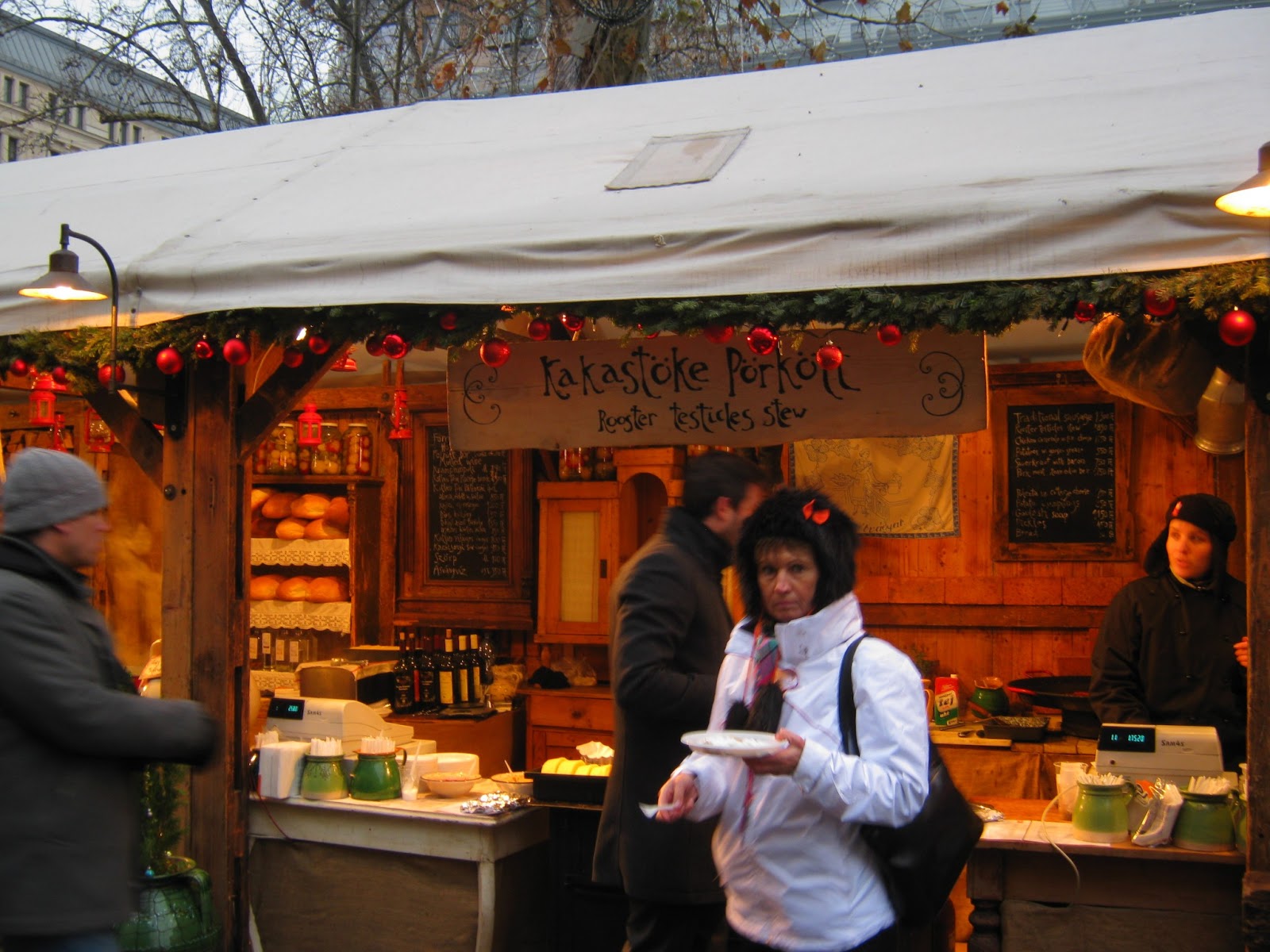
Food, Hilarious Food

A wise and clever foodie once assured me she starts learning any new language with food and kitchen words. I love food, I enjoy advertising, and I love humor in translation, especially when I can't tell if it's intentional!

"Angry Korean Fried Chicken ... So, So Angry" in Berlin, Germany
"Kakastöke Pörkött ... Rooster Testicle Stew" in Budapest, Hungary
"Holy Monkey! ... Tea & Dumplings" in Stockholm, Sweden
"Lovely Toffee Muffin ... Lovely Strawberry Muffin" in Ã–stersund, Sweden
"Daffy's Junkfood House" in Ã–stersund, Sweden
"Godstransporter" Restaurant pager at Daffy's in Ã–stersund -- OK, I know it translates to "freight,"
and that's perfectly reasonable for one of those vibratey alert pucks they give you at restaurants,
but wouldn't it be better if it was a kind of divine Trek-transporter device? Yes, it would.

Sunday, November 22, 2015

Still Making Gifts

Teaching the annual holiday craft workshop series "Get Crafty" was one of my favorite projects at Community Pharmacy. I loved developing new recipes that set a scentscape for a particular year, and building a gameplan for the workshop that was equal parts skill-raising discussion and hands-on play. Here is an article in the spirit of those workshops, which was originally published in CP's newsletter, Infused, in Nov. 2014.

Get Crafty for Healthful Homemade Holidays!
With a few weeks remaining til the holiday season is in full swing, now is a perfect time to create the fresh and fragrant homemade gifts you will bring to this season's potlucks, parties, and homecomings. It's a time for gratitude and celebration – of family, food, and good health!

Holiday Party Mocktail Syrups
The complex flavors and digestive benefits of craft cocktails are also an open invitation to those of us who look for unleaded beverages. Homemade bitters and flavored sugars can take weeks to infuse, but herbal syrups can be brewed in an afternoon. Blended into sparkling water, fruit juices, hot herbal teas or coffee, they transform dull draughts into drinkable delicacies. You may want to make a double-batch – every time I bring these to holiday potlucks, I come home with empty bottles!

Rosemary Tangerine Syrup
4 tangerine's worth of zest (I carefully use a vegetable-peeler)
2 6-inch sprigs of fresh rosemary
2 C water
2 C sugar
    Add zest and sprigs to the water in a non-reactive pot over medium-high heat. When the water begins boiling, add sugar and stir until it is dissolved and the syrup begins to thicken. Remove from heat, cover, and steep 2 hours. Strain out the solids and store in a clean bottle. Makes 1 quart. Try 1-2 tablespoons in a glass of sparkling water or fruit seltzer.

Rose & Spice Syrup
¼ C cardamom pods (slightly crushed)
2 cinnamon sticks
6 cloves
½ C rose petals
2 C water
2 C sugar
    Add the spices to the water in a non-reactive pot over medium-high heat. When the water begins boiling, add sugar and stir until it is dissolved and the syrup begins to thicken. Remove from heat, cover, and steep 1 hour, then add the roses, and steep another ½ hour. Strain out the solids and store in a clean bottle. Makes 1 quart. Try 1-2 tablespoons in a cup of coffee or black tea.

Home Aromatherapy Sprays and Diffusion
Walking into a good-smelling house is always a pleasure, and especially so when the smells remind us of holiday celebrations! These essential oil (eo) blends smell beautiful, are antimicrobial to help clear the air during cold & flu season, and inspire good cheer. Each of these recipes will make 1 milliliter of aromatherapy blend, which can be used for scenting any number of formulas! For diffusion, add 10 drops of your aromatherapy blend to the water reservoir of a nebulizer and run 30-60 minutes, per room. To make a home scent spray, add 20 drops of your blend to 2 ounces of distilled water in a spray bottle made of dark (amber or cobalt) glass.

Deep Breath Aromatherapy Blend
12 drops douglas fir eo (Pseudotsuga menziesii/douglasii)
8 drops eucalyptus radiata eo (Eucalyptus radiata)
2 drops peppermint eo (Mentha piperita)
8 drops spike lavender eo (Lavendula spica)

Holiday Health Aromatherapy Blend
4 drops cinnamon leaf eo (Cinnamomum zeylanicum)
8 drops clove bud eo (Eugenia carophyllata)
6 drops oregano eo (Origanum vulgare)
10 drops sweet orange eo (Citrus sinensis)

Gifts of Glowing Skin
Homemade body care gifts are my favorites to give, they are the perfect practical luxury – fresh, useful, and custom-created for those you love. Cleansing shower scrubs are an excellent gift for our dry Midwest winters. Scrubs help keep your skin soft with nourishing oils that protect from overdrying, while detoxifying salts and exfoliants polish away dry skin. Keep your friends and family in mind while you mix!

Squeaky Clean Scrub
1 C fine sea salt
1/2 C almond oil
1/8 C unscented liquid castile soap
4 drops lemongrass eo (Cymbopogon flexuosus)
4 drops tea tree eo (Melaleuca alternafolia)
    Combine salt and oil, mix well. Then add soap and essential oils, blend gently to prevent clumping or froth. This scrub is gently antimicrobial, making it it perfect for cold & flu season. It rinses cleanly away and is very moisturizing – try it in the shower, or beside the sink as a hand-wash. Makes 12 oz.

Everything Nice Scrub
1 C fine sea salt
1 C sugar
2 T grapeseed oil
3 drops vanilla absolute (Vanilla planifolia)
7 drops lemon eo (Citrus limon)
2 drops cinnamon leaf eo (Cinnamomum zeylanicum)
1 drop ylang-ylang eo (Canaga odorata)
    Combine all ingredients in a bowl and mix well, store in a jar with a tight lid to preserve the scents. This is a sweetly scented, lightly moisturizing scrub that can be used in the shower or the bathtub. Makes 16 oz. Will keep 6 months in a sealed jar.

Solstice Morning Circulation Scrub
3 /4 C. oats
1/2 C. kaolin clay
1 / 2 C fine sea salt
1/4 C. almonds
1/2 C dried orange peel
1/2 C dried ginger root (or ¼ C powder)
1 T cinnamon bark (or 2 tsp powder)
    Grind the herbs and oats together and mix thoroughly with the clay. Store in a glass jar with a tight lid to preserve the fragrance of the herbs. To use, mix 1/2 cup of the scrub mixture with enough water to make a paste. Massage into your skin in the shower or bath, and rinse with warm water. This oil-free scrub leaves the skin silky soft and is perfect for those with itchy winter skin, but please be mindful of nut allergies when giving this gift. Makes 5 applications.

Seasonal Perfumes
In addition to smelling fantastic and keeping seasonal bugs at bay, the aromatherapy of essential oils can lift our emotions, boost our confidence and put a smile on our faces. Positive scent-associations help build strong happy memories, and can help us be more fully present to moments of joy and caring. Wreathe yourself in beautiful scents, and carry the holiday spirit with you!

Chocolate Box Perfume Oil
12 drops cocoa absolute (Theobroma cacao)
10 drops vanilla absolute (Vanilla planifolia)
12 drops atlas cedar wood eo (Cedrus atlantica)
12 drops rose geranium eo (Cymbopogon martinii)
6 drops sandalwood eo (Santalum spicatum)
8 drops clove eo (Eugenia carophyllata)
2 tsp jojoba oil
    This is a sensuous sugar & spice perfume for anyone with a serious sweet tooth. Combine essential oils in a 1/3 oz (10 ml) glass bottle, preferably one with a roller-ball applicator tip. Fill with jojoba oil, shake well. Let infuse for 3-7 days for the scents to mature, then apply to pulse points and enjoy!

Woodland Spirit Cologne
2 drops patchouli eo (Pogostemon cablin)
8 drops atlas cedar wood eo (Cedrus atlantica)
6 drops douglas fir eo (Pseudotsuga menziesii/douglasii)
6 drops wild scotch pine eo (Pinus sylvestris)
4 drops cinnamon leaf eo (Cinnamomum zeylanicum)
3 T (1 ½ oz) 100 proof vodka
distilled water
    This is a fresh and wild-scented spray perfume for magical creatures of all kinds; male, female and all other shades. Combine essential oils in a 2 oz (60 ml) spray bottle made of amber or dark blue glass. Add vodka, cap tightly and shake, then top off with distilled water. Let infuse 3-7 days for scent to mature. Shake well before spraying onto pulse points.

Happy Holidays – may your skin stay soft and your home always smell wonderful!

More to Share

Partly because I'm in a good place. Balanced in dynamic emotion. Eager for movement, content in my position. Full to the brim of new ideas, feelings, plans, wants. Looking forward to what will grab me, when I reach out my hands.

Partly because I don't really know what I look like these days. Content-driven, food-motivated, high-verbal, overactive imagination. Highly experienced, building new skills, stretching boundaries, embodying new comfort zones. Compassionate confrontation, emergence, sanctuary. And I'd like to see it all laid out, playing out, in front of me.

Mostly because I want to connect, and this is one way I know how to open.


Monday, January 7, 2013

Thermae #2: Friedrichsbad


As soon as I began planning this adventure, Friedrichsbad stood out as the pinnacle of my pilgrimage. Actually, it inspired the notion of this being a pilgrimage, rather than 'just' a theme-vacation or business-plan-inspiring-research. Someone out there still calling their bathhouse a Bathing Temple. I have visited many lovely bathhouses, and sat in many powerful places of worship. I didn't know if anywhere in our modern world would truly be able to merge the two, but I knew I needed to be there.

As you've probably heard me enthuse, a supplicant to the Bathing Temple follows 17 steps of ablution and relaxation, for a total of 4 ritual hours, including the attentions of 3 varieties of masseuse. Upon leaving, one is guaranteed not only to win any contest of cleanliness, but also to be at least 1 fathom closer to enlightenment. According to autogenic legend, one's skin will take on a pearlescent sheen, one's gaze will remain clear and softly focused for 72 hours, and one's feet will not actually touch firmament for at least 24. All of this is true.


The ceremony unfolds thusly:
Step 1. Shower. (3min) (And right from the get-go, allow me to assure you that ALL the water, beginning with the showers and including the bubblers, flows from the famed local healing mineral springs.)
Step 2. Warm-air Bath. (54 ° C, 15min) Every surface in this room glows with gentle convection warmth, from the floors to the wooden lounge chairs.
Step 3. Hot-air Bath. (68 °, 5min) From a glow to a steady toast in a smaller oven.
Step 4. Shower. (1min)
Step 5. Soap and Brush Massages. (8min) Taken in turn, the vigorous soft bristles and creamy soap bubbles shed the last bits of whatever you were doing before you entered Friedrichsbad.
Step 6. Shower. (1min)
Step 7. Thermal Steam Bath. (45 °, 10 min) In a marble filled with clouds of soft mineral-scented steam, a square pyramid of steps faces two golden hives of calcinated fountains rolling with raw hotspring.
Step 8. Thermal Steam Bath. (69 °, 5 min) On the top step of the marble pyramid, closer to the sweet heat.
Step 9. Thermal Full Bath. (36 °, 10min) A long cool pool to stretch warmed muscles and open skin.
Step 10. Thermal Whirlpool Bath. (34 °, 15min) Smaller, bubblier, cooler, a massage by tiny naiads.
Step 11. Thermal Kinotherapeutic Bath. (28 °, 5min) At the center of the bath, like a crown glowing 17 meters above the pool, is a golden frescoed dome that draws your eyes up marble columns and gilded alcoves, tucking the last of your words away, while you float in mineral broth.
Step 12. Shower. (3min)
Step 13. Cold-water Bath. (18 °) A quick (breath-stealingly quick) submersion in cold (breath-stealingly cold) water. Toes numb and skin very awake after.
(Clever mathematicians will have noticed that this does not yet fill the quota of devotional hours. At this point, the supplicant is allowed, in a near-sleeping-kitten-like quiecience, to roam freely through the Temple revisiting her favorite rooms at leisure for several REM cycles.)
Step 14. Drying Off. (with warm towels). (4min) Bed-sheet-sized warmed towels.
Step 15. Application of Moisturizing Cream. (8min) Expertly applied in handfuls til you are evenly frosted with a dense fragrant cream; it's not meant to soak in yet.
Step 16. Resting Room. (30min) In which you are rolled into warm blankets and tucked into one of maybe 3 dozen beds filling a huge, dim, rose-colored dome of a room, to nap.
Step 17. Reading Room (30min) In which the lounging continues in a more sentient vein, with time to more fully comprehend the miles one's life has just traveled towards true happiness, and have tea.

I will admit; I remember the practicals, but after step 5, my sense of analytical self, and a goodly portion of my vocabulary, washed down the drain with the suds. (They were good practicals, though: soft cotton sheets to wind in while lounging and traversing, traded for clean sitting pads before the steam room; a dozen pairs of bath sandals in different sizes, and disinfectant-dunk, before the hot rooms; clocks without numbers to help you keep the time without worrying you about time...) The further I wandered into the bathing temple, the deeper I sank into pure corporeal awareness, and solid visceral bliss. The light was always muted and murmuring, the air a burned-velvet pattern of steam and refraction. Every room was decorated with unique painted tiles and mosaics of art nouveau flora, aquatic fauna, or abstract color. The giggle of falling, splashing, running water echoed everywhere. The air never warm and never still, the other bathers never close or stiff, and the staff singularly kind and cognizant of the beautiful healing collapse prompted by the place.

There is a Mark Twain quote cited in every single description anywhere of Baden-Baden's historic Irish-Roman Bathing Temple, and I would probably have my travelog licence revoked if I didn't repeat it for you here, “At Friedrichsbad, you lose track of time within 10 minutes and track of the world within 20…” And as much as I hate to ride even the wittiest of coattails, I agree – if you are someone who pays a lot of attention to your watch, I expect Friedrichsbad is very much like that. For me, though, I'll say Friedrichsbad glows at the sunny crossroads between the Brigadoon of my bones and the Oz of my bliss, and leave it at that.

Friedrichsbad: Historic Bathing Temple 

Sunday, January 6, 2013

So Bath They Named It Twice


Baden-Baden is built on magic, has celebrated several millenia of birthdays spinning, winding and handing out this magic, and is completely conscious of it. You can be sure, though I have found no mention in our post-Imperial literature, that people of all fur, feathers, and feet have been bathing in the springs of this valley since the beginning of the world. It's too beautiful, too protected, altogether too perfect to have not threaded its magic into all organic history. The Romans made it official with stone, however, and Baden-Baden has been in the business of bathing ever since. I wandered over some of its 54 sq. miles of Black Forest river valley, through falling snows and along the river Oos, in a kind of steamy trance. An Entire City Devoted to Bathing.  


And casinos. 
But who cares about casinos?


I don't know if I've ever shared this with you, but I'm a sucker for bathhouse t-shirts. I don't really understand it either, and it's not like most bathhouses sell t-shirts (but the ones that do are awesome!) It might be some bath-geek equivalent of sport team support. Or maybe it's just poorly translated enthusiasm. I don't usually wear clothes with logos, or words. I don't often wear band t-shirts. They make me feel shy and unprepared for coolness. But somehow I'm totally charmed by the thought of someone designing a t-shirt to talk up a place filled with hot water and naked people. I think it's fabulous. And wearing them makes me feel like an underground superhero.

So I keep my eye out for bathhouse paraphernalia. And on my last day in Baden-Baden I found myself in a situation I had never encountered before – desirous of a "I Baden-Baden" t-shirt. You know exactly the one I'm thinking of, it's the same shirt hanging in every eye-rollingly touristy souvenir shop on the planet. (My only defense is that I do have an awful lot of enthusiasm, even if it is poorly translated.) I looked high and low, everywhere from the shops where they sell postcards to the train station newsstand to the Christmas market to the supermarket. I found silver-plated Baden-Baden spoons, and enamel-painted Baden-Baden plates, and even swarovski-crystal-bedazzled Baden-Baden totebags. After going through a dozen bewildered shopkeepers in a dozen different shops, I am forced to concede that Baden-Baden, city of historically relevant baths and big old money, is simply not mundane enough to make tacky tourist t-shirts. 

And, for the life of me, I don't know whether to be annoyed or relieved.

Sunday, December 30, 2012

Wasa: We're Doing It Wrong!


My friends, I've made a discovery. I have realized the errors of my ways and am humbled before Foodstuffs. It was an honest mistake, though possibly shameful that I have persisted in it for 3 decades. I was misguided, or perhaps unguided.. Left to my own devices in pantries and grocery coop aisles, I admit, I thought they were simply Bad Crackers.

Crackers the culinary equivalent of particleboard; too fibrous for fun, too dry to be interesting, and always (I thought) subtly threatening to leave splinters in my soft palate. Overpowering in their sheer granular density to all but the sharpest of cheddars, insufferably hard even with soup, and requiring way, way too much chewing . No matter which flavor I tried – from the burnt sienna rye to that weird wafer stuff, the multigrain rainbow in between – I just couldn't like them. Maybe, if you were “raised by hippies,” like I was (that's not a slight, Mom & Dad, it's just a cultural signifier – you were feeding us tofu and dressing us in veleur for too long to deny it, and I love you for it), or if you've ever (like me) grocery shopped with only change in your pockets, or (like me) have more sense of adventure than good sense, you've had similar collisions with Wasa. And lived with the regret.

But friends, as I stand before you today (sit on a hostel bed typing from several thousand miles away), I can assure you; We Just Got It All Wrong. Wasa isn't the enemy. We weren't even making bad choices, we just weren't operating the cracker correctly! I have seen the true and benevolent face of Wasa, and I can share with you the secret: They're For Breakfast!

Listen, this changes everything. Wasa is quite possibly the road to morning-eating success for anyone (like me) who simply cannot deal with waking up to clingy, doughy, sweet food. Wasa is a clean, near-neutral canvas upon which to paint your most delicious breakfast dreams (near-neutrality is key, there's truly no point in eating beige). Particularly well-suited to the savory breakfast (as all reasonable and benevolent foodstuffs ought to be), Wasa's deep grain flavors provide the kinds of bass notes often missing in early-morning meals. These are the foundation for fantasy open-faced sandwiches, for breakfast! They are made Hard On Purpose, so they can be piled high with any/all your favorite cheeses/meats/vegetables/dairy-based semi-solids, becoming a veritable Edible Plate. (Which is good, because for those of us with morning-impaired manual dexterity, forks and knives are an unnecessary danger.) (Also, seriously, Pile Up. One swipe of cream cheese means nothing to Wasa. These things can still taste like performance-art food if you don't show some ambition.) They are made Indefatigably Crunchy a) so even if you do apply a solid inch of semi-solid dairy-things, you still get to chew something and b) because contrasting food texture is neat. Texture wakes up your mouth. And those splinters, they aren't endangering your gums, they're optimizing your dental hygiene routine like the little cleaner-fish that hang out in the mouths of resting sharks.

Breakfast revolution and shark similes. Let the healing begin!

Saturday, December 29, 2012

Some Baths That Aren't Yet

Most of the baths I've visited have had historic precident, gracing their cities as original facilities if they were not actual founding reasons for putting a bit of civilization a particular where. When new baths come along, they are made from equal parts inspiration and obsession. Some borrow from history and culture, some forge ahead, but all are intentionally reinvesting in bathing.

Berlin's once-and-future Stadtbad Oderberger  thrives during renovation as a venue for concerts, conferences and locally-made craft markets.

Kultuurisauna is being built as part of Helsinki's year of recognition as a World Design Capitol, with goals of sustainable design and materials-use, and intentional revitalization of sauna culture.

Monday, December 24, 2012

Some Baths That Aren't Anymore

Searching out venerable thermae, traditional neighbohood saunas, and the brand-new soaking spots, the word for Bath is the first I'm learning when I enter a new country. My eyes and ears are constantly casually scanning for signs of bathing. Probably I imagine baths more often than they exist (though honestly, what else is going on in a backyard shed with a chimney?), but I've been impressed that almost every Scandinavian town has a Sauna-something Street, and at how many Germanic placenames end with -Bad.

So there are many places I come across where I don't bathe, where nobody bathes anymore; but maybe there's a commemorative plaque, or an epithet in stone, or a bit of historical mention in a travel book.

The People's Bathhouse on Oderberger Strasse, in Berlin. A once-and-future-bathhouse, long neglected but being restored...


In Tallinn's Old Town there is still a Sauna St, and a historical stop in their self-guided walking tour.
One of the original spring sites in a cliff embedded in Baden-Baden.
Under the Friedrichsbad Bathing Temple in Baden-Baden is the ruins of a Roman soldier's bathhouse, locked safely away all winter long.

Monday, December 17, 2012

Land Is Land

One thing I've noticed, traveling around this planet of our as much as I've been able, is that everywhere I go, the landscape is home. Surely, different parts of the world wear different colors, and sometimes the shapes and scale are unique and surprising. There is always something new to see, around the corner, if you are curious enough. But the land is brown and green. The sky is blue and white. The sun shines yellow and pink. The stars and moon glow silvery against black and purple. Traveling through winter, the land faded to sketch and monochrome, every tree is shadow-brown, all small plants are in their quiet tan pajamas, and everything else is dusty white. I could be skirting Chicagoland, nearing the foothills of the Rockies, crossing upstate New York. But I am racing though Bavarian countryside, and this blizzard could have followed me from Stockholm, or it could be a stranger from Russia. I haven't done much traveling in the winter (some part of me has always been too skeptical to allow for possible frostbite on a lonely train station) until now. I love the spherical intimacy of it, the land in focus only nearby, the colors subtle. From a train, snug and speeding, the familiarity of the landscape has a special magic all its own.


It's only when we cross into the acreage of civilization that shapes begin to look Foreign. The different ways different people use hills, or roofs, or the edge of their claims. The little towns crowded into Black Forest valleys, vertical like a tapestry painted on silk, never minding perspective. Switchback roads and yellow faces and linear yards of crenelated edging, mirroring the pines above and causal river below. Steep tiled roofs in drainage undulation or dragon scale. Tight and idyllic, efficiently antiplanned, like a bird's nest.


And around the bigger cities, where we might have a Fitchburg or an Urban Sacrifice Zone, there are summer gardens. Little plots of land where urbanites, missing nature but unendowed with a summer home, can tend a bit of earth and fly a flag. Which I guess is another kind of sacrifice. The cute crowds of small fenced yards and sheds are always along railroad corridors, so I'm not sure what they garden. Summer memories. Even in winter, they look tidy and happy, some terraced and some wreathed in years of wisteria vines. Miniature national/natural dream colonies. Every bit of land is a door to all of Earth.


Thermae #1: Liquidrom


Liquidrom is a rare bathhouse; newly arrived but singing with quality, totally modern with a great deal of soul. It definitely caters to a contemporary crowd – multigenerational but skewed towards the professional – the folks you'd see at a swank club or an artsy cirques review. (That crown topping the building in the photo? That's the Tempodrom on the other side of the building, a swanky big venue.) Liquidrom is outfitted in concrete walls and raw slate floors, but it doesn't ever feel cold or Bloc. The stone lines are graceful, often curved, proportions generous. Iron-caged mysig candles and sculptural flora line the halls, on the walls hang the kind of modern pop art inspired by the circles that inspired mandala-makers. There's soft electronica piped through invisible speakers, vaguely new-age-holiday. Liquidrom knows what it's doing. Liquidrom wants to be cool, and it is cool.

The changing rooms are large and gym-like, if your neighborhood gym goes in for mahogany paneling and shiny black tile. Lockers are secured with a rather complicated key-chip-bracelet, and because this is Germany (home of the Free Body Culture dreaded by Scandinavians) the locker rooms are coed, the bathhouse is coed and largely clothing-discouraged, except for at the bar and in the big pool. Yeah, there's a bar, and a free glass of prosecco the night I visited, and nightly live music, which ranges from jazz to bossa nova to cinematic downbeat. In between sweating and soaking, there are generous resting rooms (indoor and out – where in December you can watch steam curl off your skin) filled with comfortable lounge chairs to cool off and sip whatever.

Lining the minimalist half-wall corridors are nearly a dozen different rooms in which to sweat or soak. 4 different saunas, each a different temperature (from 65 to 90), some featuring aromatic steams or walls of pink Himalayan salt. Each is labeled with bathing information and expectations (wash your seat in the steam room, in the saunas you must have a towel under your butt and feet, etc.) Besides the large pool, there are several soaking pools, each filled with salty thermal water. None reach jacuzzi-heat, but the outdoor pool is warm under the snowflakes, and one pool is so salinated your body floats effortlessly. In between these are cold plunges and huge-headed showers, and passing trays of cold fruit juice and warmed honey for self-massage carried by beautiful waitrons.

The largest pool in Liquidrom is a centerpiece of atmospheric modulation. The ceilings are domed in wide, loomingly post-deco arches; the kind of pool where city elite might swim, deep under Fritz Lang's Metropolis. The salty warm water glows with colored light, refraction patterns ripple over everything. The electronica is piped here too, echoing weirdly off so many curves, but is even more impressively heard Underwater, where the music hollows and billows like whalesong from submarine speakers. So after a hour perusing a plethora of little steams and sweats and soaks, after your senses are relaxed by the wandering of sensorial slowness in a realm of remarkably quiet architecture, imagine lying just covered with warm water somehow holding you afloat, while colored light wafts across your eyelids and shadowy rhythms nod in your ears. When the night's visiting 12-string guitar began picking its silvery way through the waves, my mind joined my muscles in relaxation and I drifted, balanced in a luminous place.

LIQUIDROM: Urban Bathing-Culture